Mold Detection in Dallas, TX
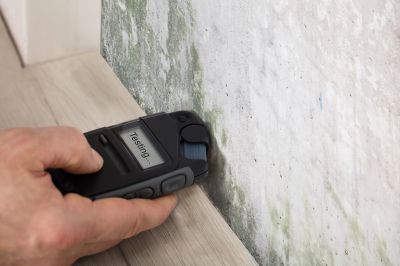
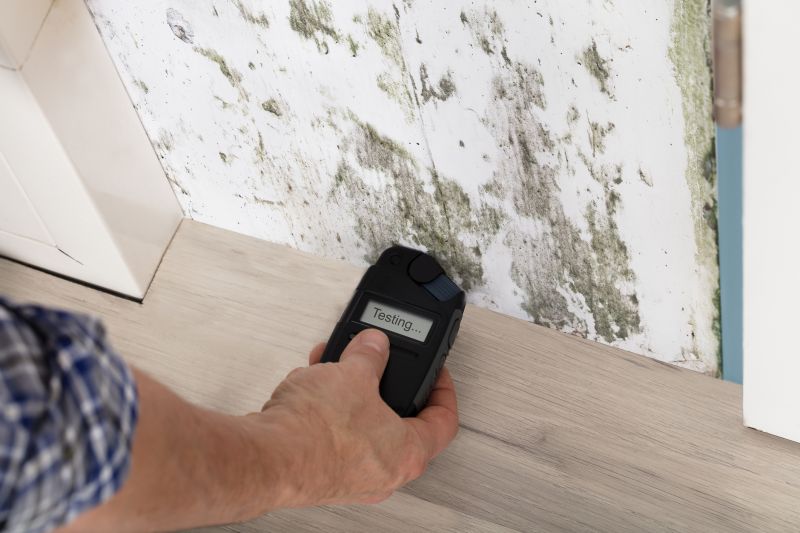
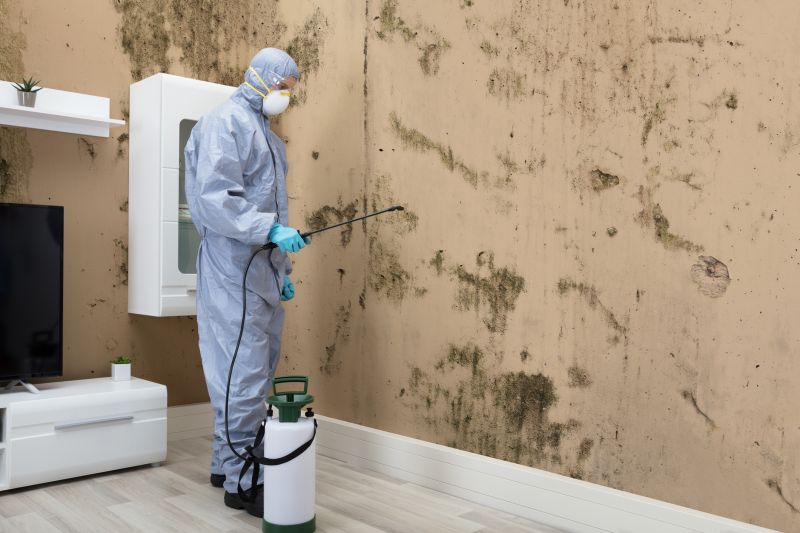
Mold detection services involve inspecting residential properties to identify the presence of mold growth, which can often be hidden behind walls, under flooring, or in other hard-to-see areas. These services are suitable for projects such as post-water damage assessments, suspected mold growth in basements or attics, or ongoing concerns about indoor air quality. Property owners typically want to understand if mold is present, the extent of any growth, and potential sources of moisture that could be contributing to the problem before deciding on removal or remediation steps.
Homeowners often request mold detection to address health concerns, prevent property damage, or confirm the effectiveness of previous cleaning efforts. Before requesting detection services, it’s helpful to consider any visible signs of mold, musty odors, or recent water leaks or flooding. Understanding the scope of the property and specific areas of concern can assist in planning an effective inspection, ensuring that all potential mold issues are thoroughly evaluated.
Many property owners in Dallas, TX look into Mold Detection for repairs, replacements, upgrades, and appearance-related improvements.
Mold Detection Services
Examples of mold detection work property owners may explore in dallas, tx.
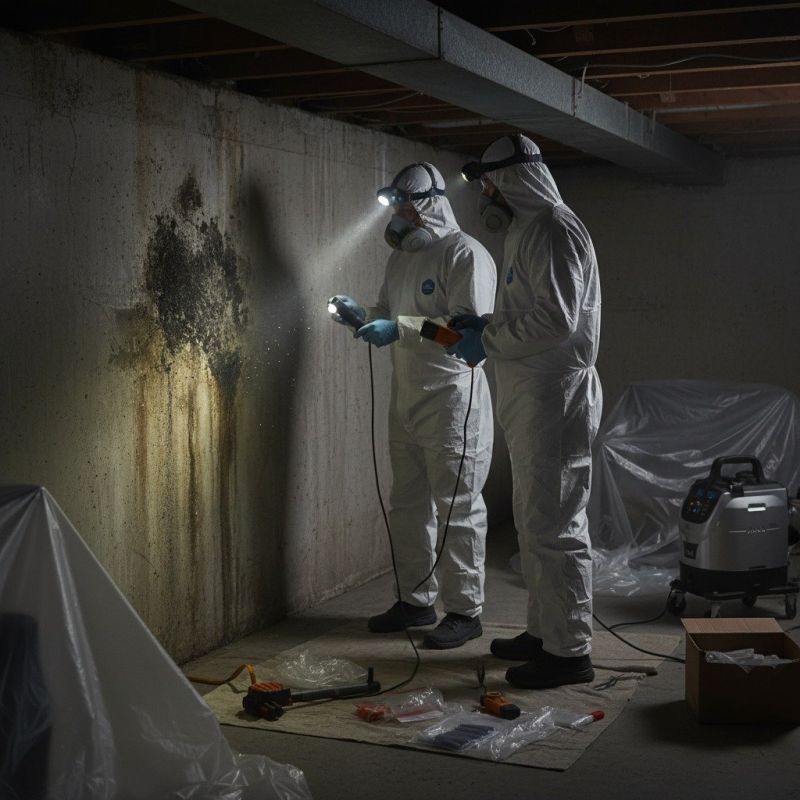
Mold Detection Updates
Common ways people refresh, improve, or restore mold detection features in dallas, tx.
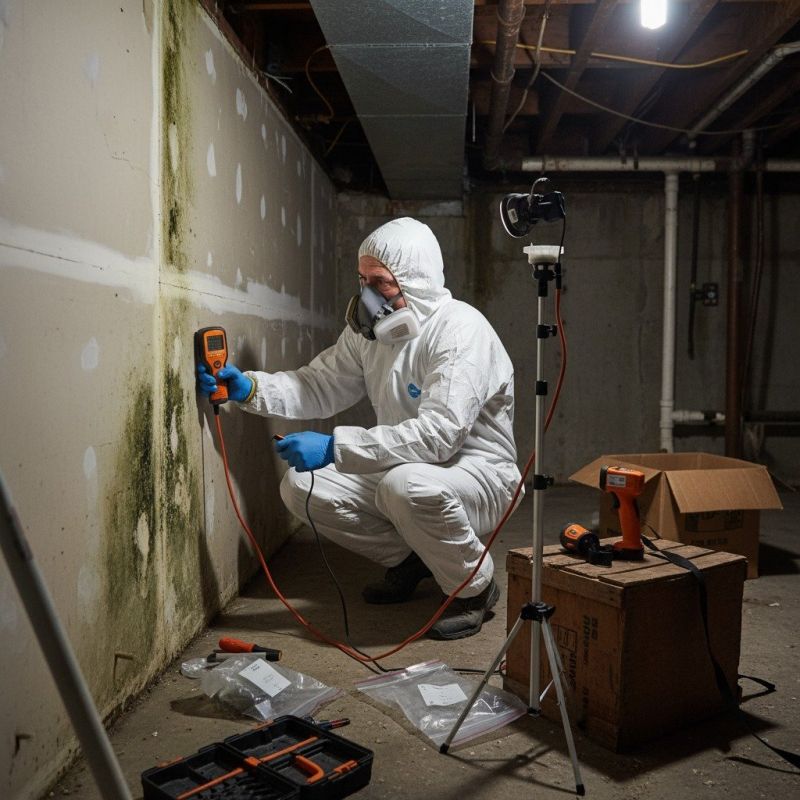
Mold Detection Options
Different styles, layouts, and finishes people consider for mold detection in dallas, tx.
Mold Detection in Dallas, TX
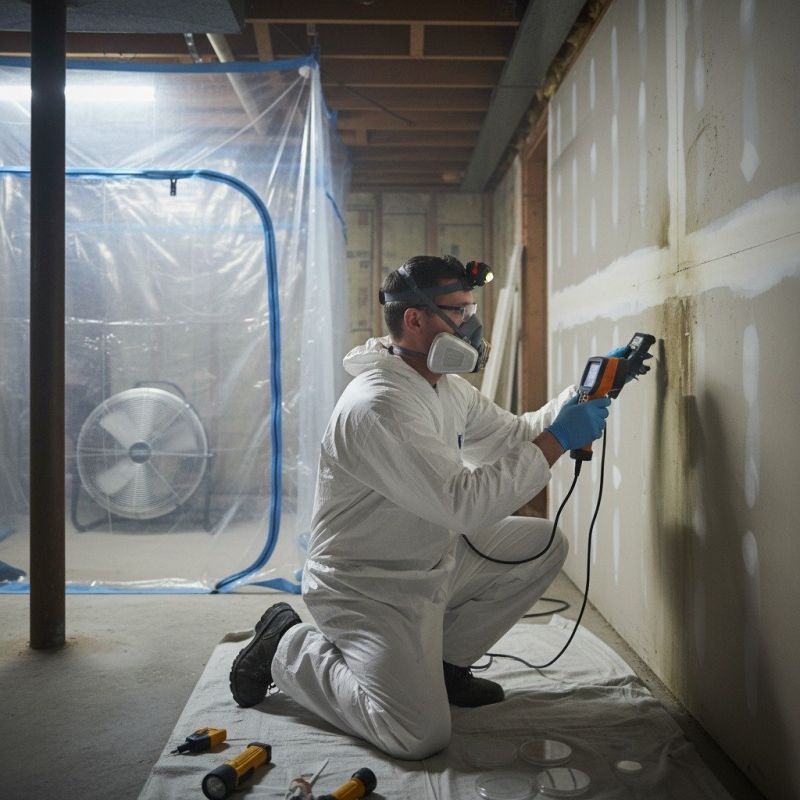
Mold detection services involve inspecting residential properties to identify the presence of mold growth, which can often be hidden behind walls, under flooring, or in other hard-to-see areas. These services are suitable for projects such as post-water damage assessments, suspected mold growth in basements or attics, or ongoing concerns about indoor air quality. Property owners typically want to understand if mold is present, the extent of any growth, and potential sources of moisture that could be contributing to the problem before deciding on removal or remediation steps.
Homeowners often request mold detection to address health concerns, prevent property damage, or confirm the effectiveness of previous cleaning efforts. Before requesting detection services, it’s helpful to consider any visible signs of mold, musty odors, or recent water leaks or flooding. Understanding the scope of the property and specific areas of concern can assist in planning an effective inspection, ensuring that all potential mold issues are thoroughly evaluated.
Many property owners in Dallas, TX look into Mold Detection for repairs, replacements, upgrades, and appearance-related improvements.
Common Mold Detection Jobs
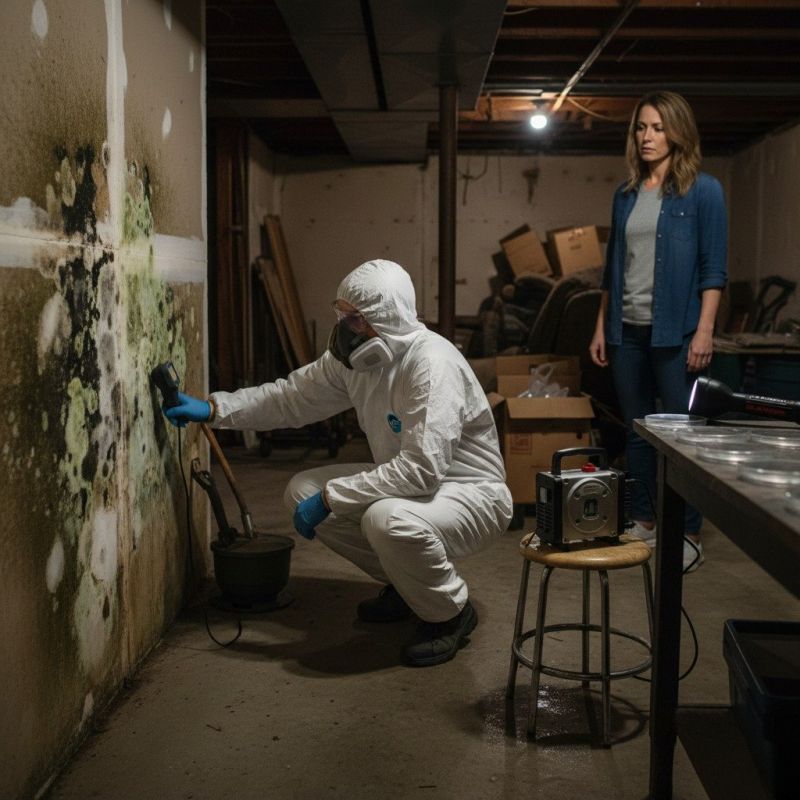
Mold Inspection - identifies hidden mold growth in walls, ceilings, and other areas.
Moisture Testing - detects sources of excess moisture that can lead to mold development.
Indoor Air Quality Assessment - measures mold spores and airborne contaminants inside the property.
Visual Mold Assessment - examines visible signs of mold and potential problem areas.
Post-Remediation Testing - confirms mold removal has been successful and mold levels are safe.
Property Mold Screening - provides an initial evaluation to determine if further testing is needed.
Mold Detection Questions
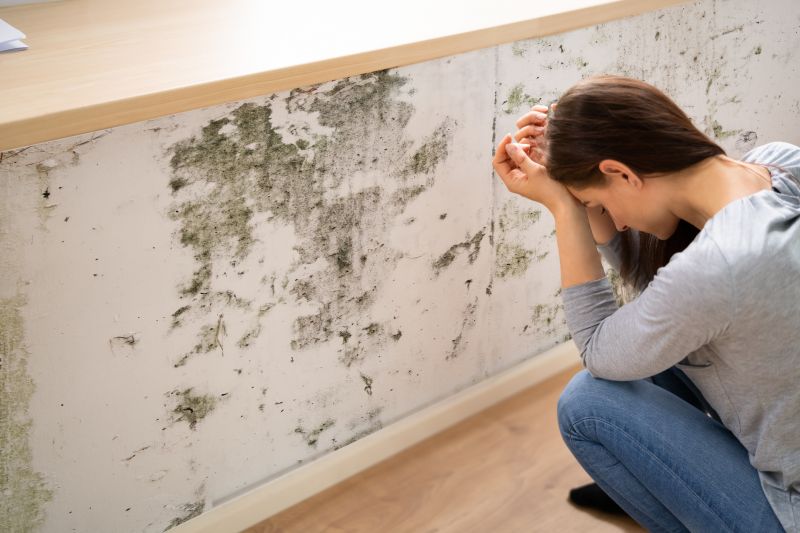
How do I know if I have mold in my home? Signs include visible spots, musty odors, or unexplained allergy symptoms. A professional inspection can confirm presence and extent.
What areas are most at risk for mold growth? Moist environments such as bathrooms, basements, and areas with water leaks are common spots for mold development.
Why is mold detection important? Identifying mold early helps prevent health issues and minimizes property damage caused by moisture problems.
What methods are used for mold detection? Non-invasive sampling and air quality tests are typical techniques to identify mold presence and concentrations.
Request Mold Detection in Dallas, TX
Use the quote form on this page to share the basics of your project and request more information for the type of work you need.